

caring for your hair, start to finish
everything you need to keep your hair looking new — from the day you install it to the day you take it off. new to all of this? start at the top and read in order. you won't get lost.
first, the one thing to know
all chroma hair is 100% raw, virgin, or colored raw human hair — real hair with the cuticle intact. that means it behaves like hair that grows out of your head: it can be washed, dyed, heat-styled, manipulated, and worn again and again. (our full wigs are raw or virgin hair, our bundles are raw, and the blonde colors are lightened — more on that in the color tab.)
because it's real, it's also reusable. with good care, a unit is meant to last years, not weeks. how long depends on two things: how well you care for it, and how often you wear it. daily wear ages hair faster than occasional wear — that's normal, and it's worth knowing before you buy.
the flip side of being real hair: it needs real care. the tabs below break it down by texture, by color, by item, and by how to take it off the right way.
a few habits keep every texture and every color looking good. learn these once and the rest of the guide is just fine-tuning. open any box to read more.
when your hair first arrivesday one
your hair ships in its natural, unstyled state — the styled, glossy look you saw in the photos is created after install. so don't panic if it looks flatter or plainer out of the box. that's the blank canvas.
- gently finger-detangle from the ends up before doing anything else.
- our wigs come with full hd lace, meant to be cut to fit your unique hairline for a hyper-realistic look and a seamless melt.
- for waves and curls, the pattern wakes back up with water — see the texture tab.
washing, the right waycore habit
most units do best washed about every 1–2 weeks, or sooner if you've used a lot of product. over-washing dries the hair out; under-washing builds up buildup.
- use a sulfate-free shampoo — sulfates strip moisture and dull color.
- always condition. keep conditioner on the hair, never scrubbed into the lace base.
- wash in the same direction the hair falls. don't pile it on top of your head and scrub — that's how tangling and matting starts.
- rinse with cool-to-lukewarm water to keep the cuticle smooth and shiny.
detangling without damagecore habit
this is where most hair gets ruined — yanking from the top down. do the opposite.
- always detangle from the ends first, working up toward the root in small sections.
- straight hair: a wide-tooth comb or wet brush is fine.
- waves and curls: fingers or a wide-tooth comb on wet, conditioned hair only — never dry.
- be patient with knots. tearing through them sheds hair you can't grow back.
heat & stylingcore habit
human hair can take heat, but heat is still the fastest way to wear it out — especially on color-treated hair.
- always use a heat protectant before any hot tool. non-negotiable on blonde.
- keep your iron or wand on a medium setting; you rarely need it cranked to the top.
- raw waves and curls will revert to their pattern after the next wash, so straightening is never permanent damage if you protect the hair.
sleeping & storingmakes it last
what you do overnight matters as much as wash day.
- wrap your hair in silk or satin at night — a bonnet, scarf, or pillowcase. cotton drinks up moisture and causes friction, frizz, and tangling.
- curlier textures: a satin bonnet protects the pattern best.
- between wears, make sure your hair is fully dry before storing it, and keep bundles flat and dust-free. the signature jelly tote is made for exactly this.
texture decides how much moisture your hair wants and how you dry it. find yours below. the tighter the pattern, the thirstier the hair.
straightlowest upkeep
sleek and smooth, and the most forgiving texture to maintain. the main job is keeping it shiny and tangle-free.
- wash with sulfate-free shampoo, condition every wash.
- detangle in sections with a wide-tooth comb or wet brush.
- air dry, or blow dry smooth with a heat protectant.
- a little lightweight oil or serum on the ends keeps it glossy — go easy near the root.
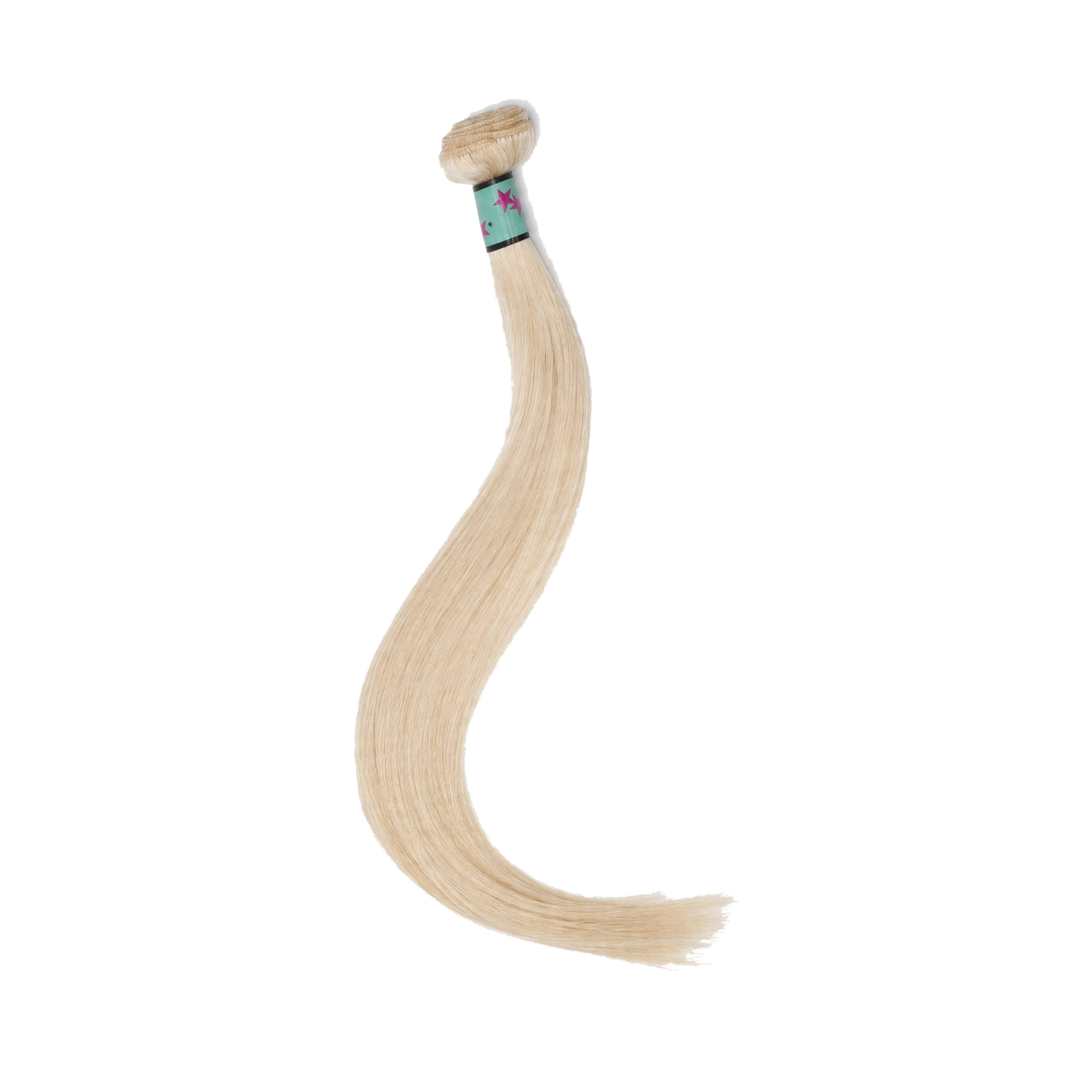
body wavemost versatile
a soft, open s-wave with natural movement — the easiest wave to live with. wear it wavy, blow it out, or flat iron it straight. on raw hair, the wave returns after the next wash.
- sulfate-free shampoo, condition every wash.
- scrunch product in rather than rubbing, to keep the wave.
- air dry, or diffuse on low.
- wide-tooth comb on wet hair only.
- silk scarf or bonnet at night.
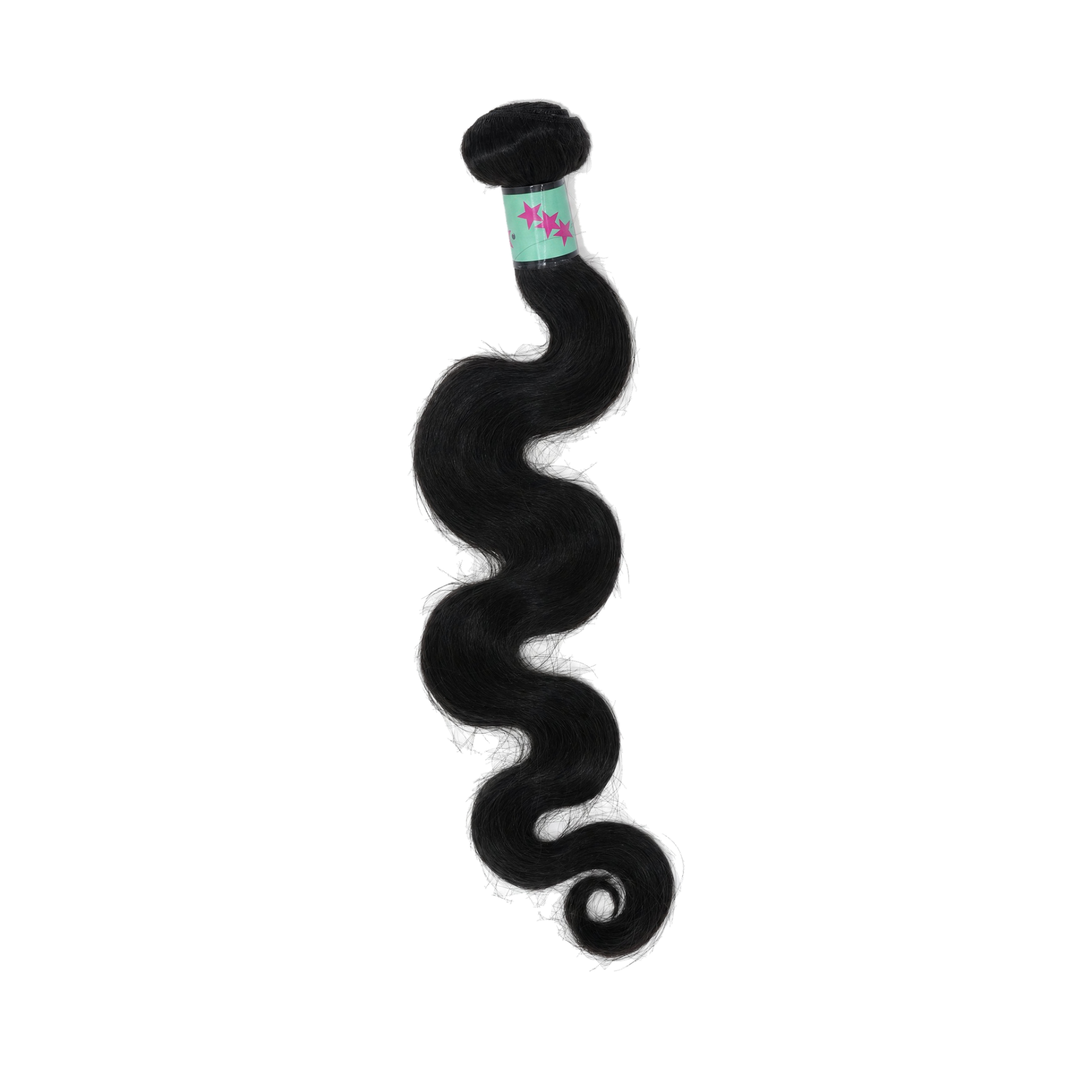
loose wavelow product
sits between straight and curly — a relaxed, medium s-wave that moves naturally and refreshes with water alone, so it holds its shape without heavy product.
- sulfate-free shampoo; scrunch conditioner through.
- air dry for the best definition.
- finger detangle or use a wide-tooth comb on wet hair only.
- refresh the wave with a spray of water between washes.
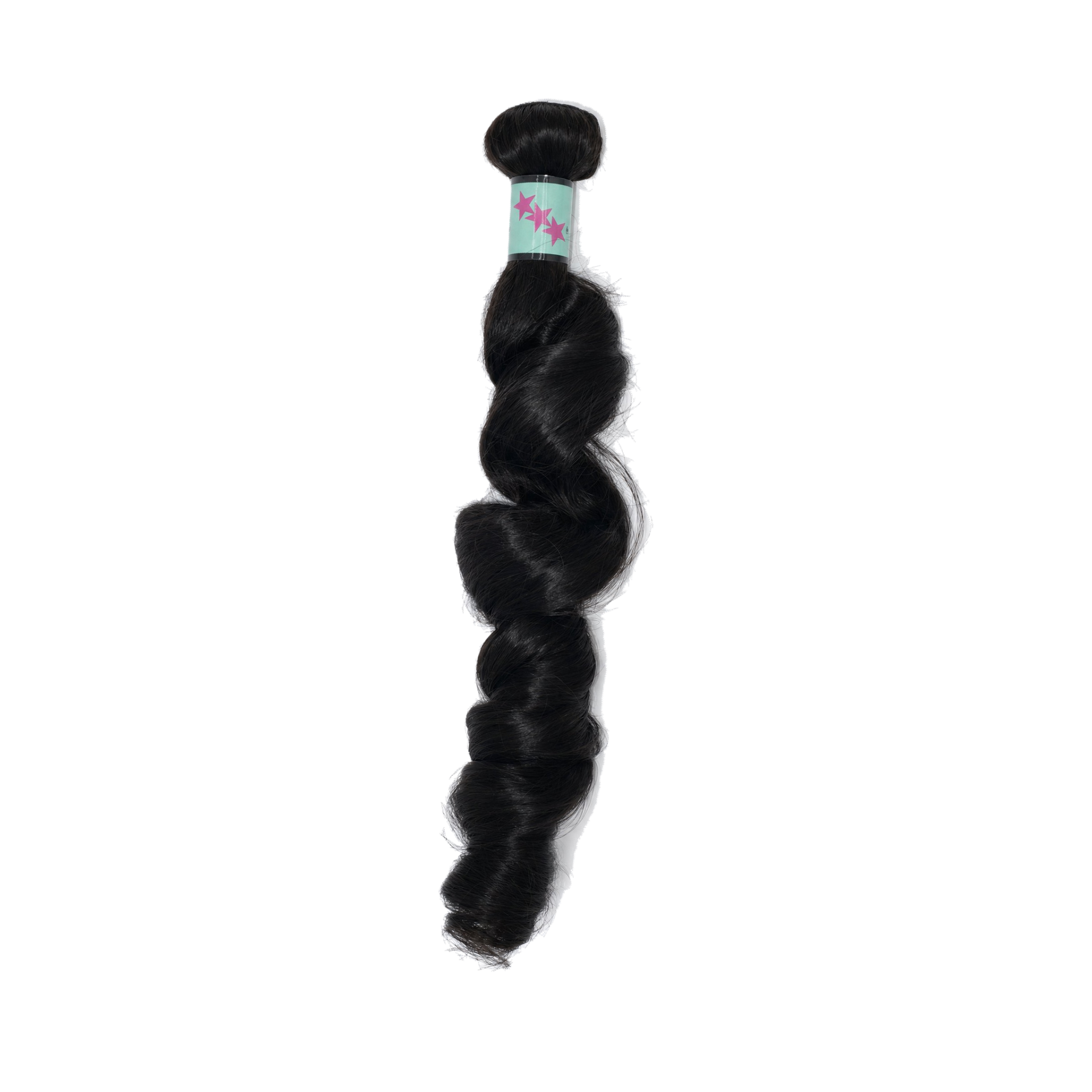
deep wavethirstiest
a tight, defined curl pattern with lots of volume. the fullest texture, and the one that needs the most moisture to stay defined and frizz-free.
- use a moisturizing sulfate-free shampoo and deep condition weekly.
- apply curl cream while the hair is soaking wet, then air dry or diffuse.
- do not brush dry — that breaks up the curl and causes frizz.
- sleep in a satin bonnet to protect the pattern.
color care comes down to one question: was this hair lightened? natural and virgin colors are low-maintenance. blondes are lightened, which means they need more moisture and a little toning to stay healthy and bright. being honest here saves your hair.
raw — 1b (natural black to dark brown)raw / no dye
the most natural base, with no dye applied. on raw single-donor hair the cuticle is intact and runs one direction, which is what keeps it from tangling and shedding the way processed hair can. easiest color to care for.
- standard care: sulfate-free shampoo, condition every wash.
- bleach-friendly. because it hasn't been chemically altered, it lifts and takes color well if you ever want to dye it.
- follow your texture's routine in the by texture tab — that's all 1b really needs.
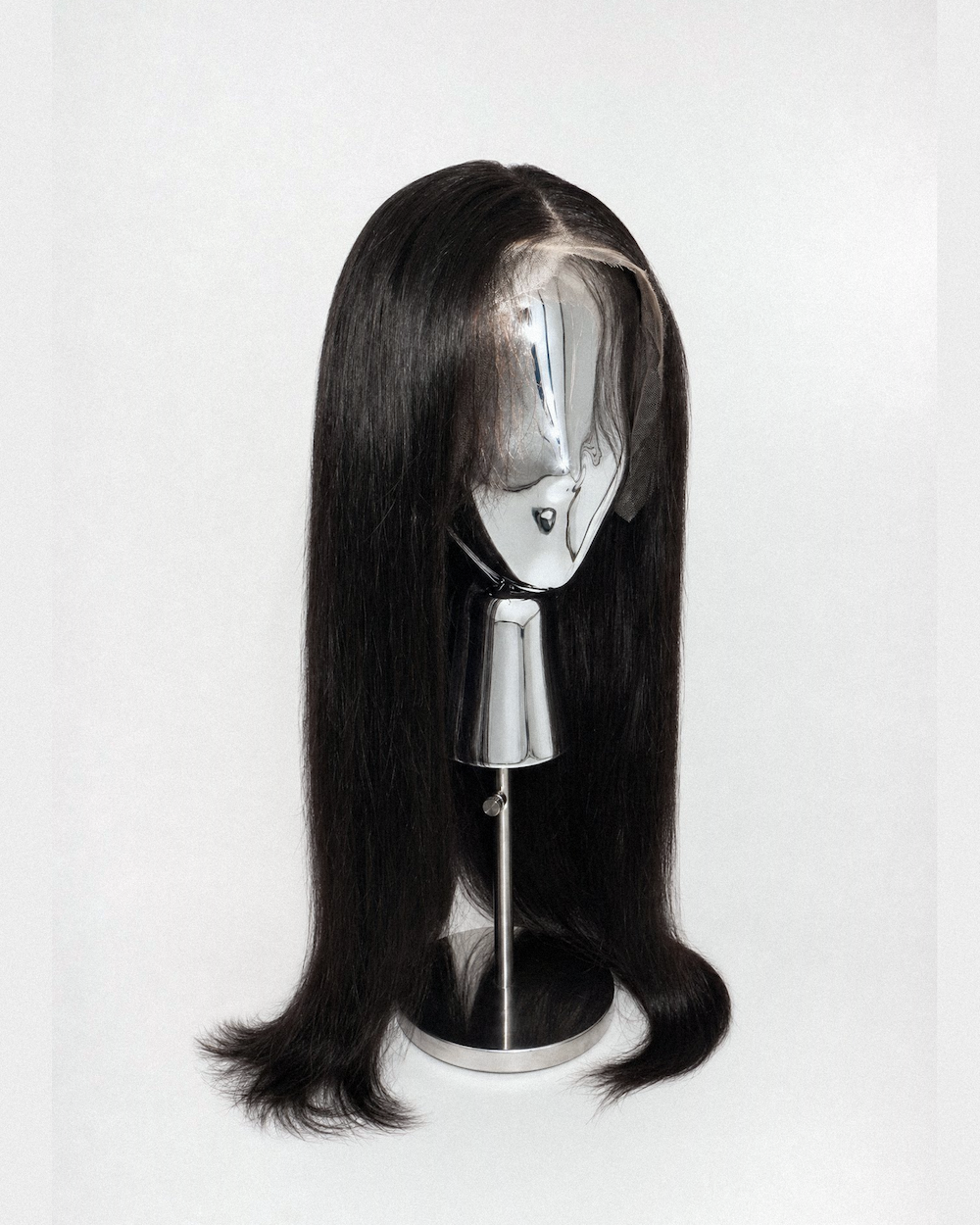
cocoa — 4 (chocolate brown)virgin / dimensional
a warm, dimensional dark brown that reads natural on most skin tones — more warmth than flat black. low-maintenance, but you want to protect the richness of the brown.
- use a color-safe sulfate-free shampoo to keep the brown rich and prevent fading.
- deep condition every wash.
- detangle in sections.
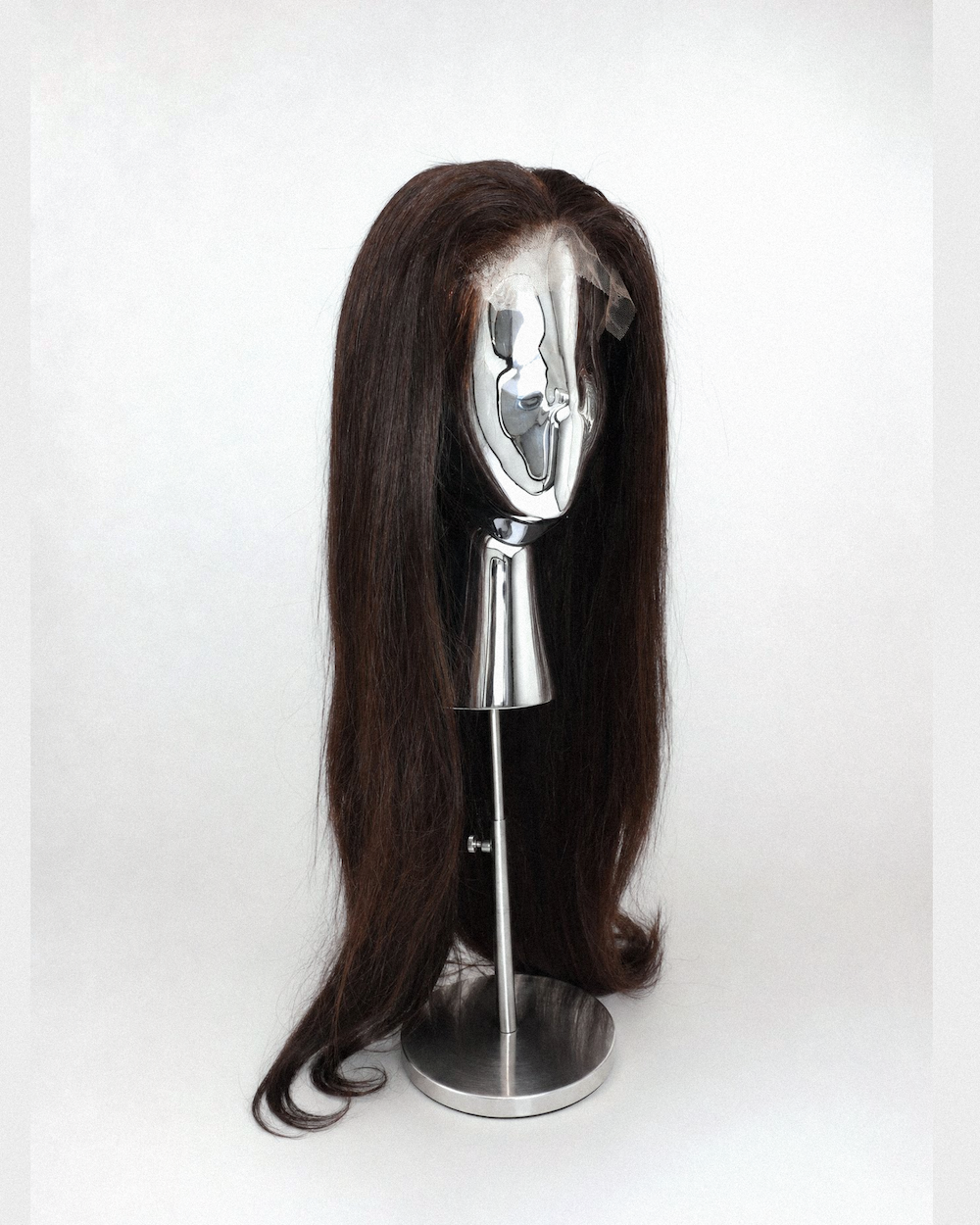
barbie blonde — 613 (golden blonde)lightened — extra care
bright blonde, lightened to reach this color, so it's the most processed hair we carry and needs the most moisture and toning to stay healthy and bright. it's also the standard base for custom blonde shades — it tones cooler, warmer, or into custom colors beautifully.
- use a purple or toning shampoo monthly to control brassiness.
- deep condition every wash — lightened hair is thirstier.
- a protein treatment every 4–6 weeks keeps it strong.
- always use a heat protectant.
- avoid chlorine and saltwater — both wreck lightened blonde.
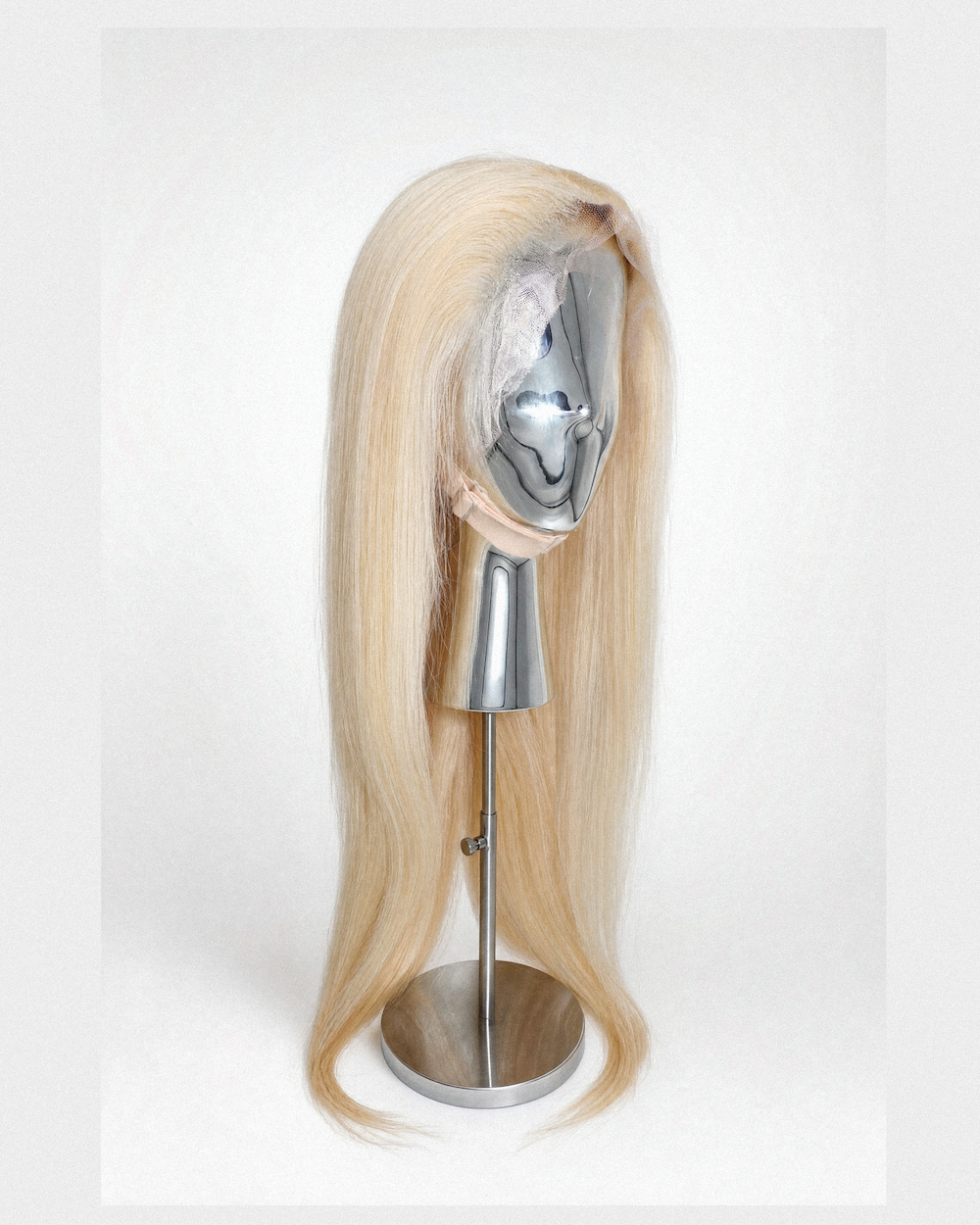
platinum — 60 (platinum blonde)lightened — extra care
an icier, cooler platinum than 613, without the golden undertone. same lightened-hair care, with one difference: you're protecting a cool tone, so reach for a blue or purple toning shampoo to stop it warming up.
- use a purple or blue toning shampoo to hold the icy finish.
- deep condition every wash.
- always use a heat protectant.
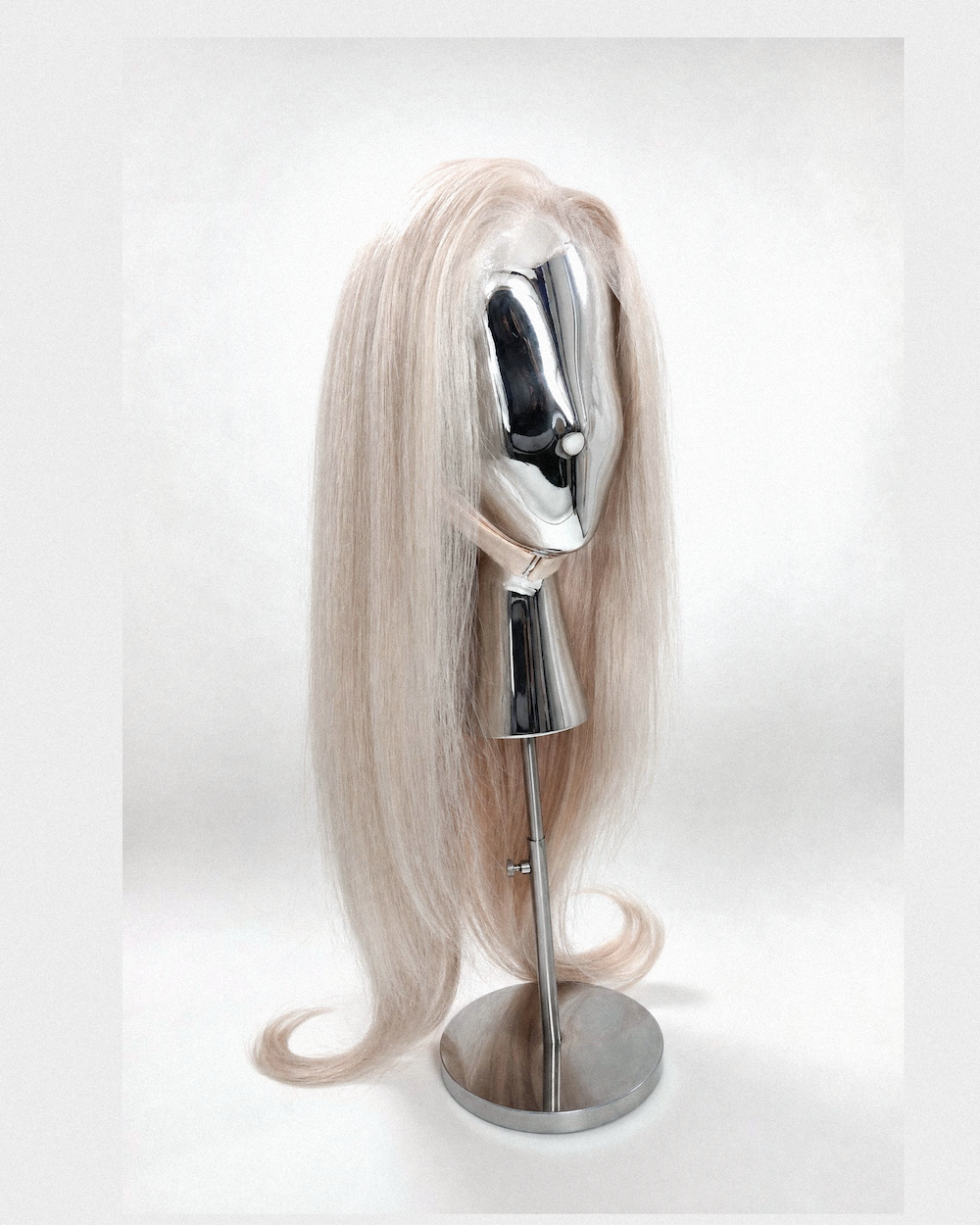
honey — 4/613 (honey blonde)lightened — extra care
a chocolate base melting into platinum blonde streaks. the blonde parts are lightened, so the whole piece follows blonde care.
- toning shampoo monthly to keep the blonde clean, not brassy.
- deep condition every wash.
- always use a heat protectant.
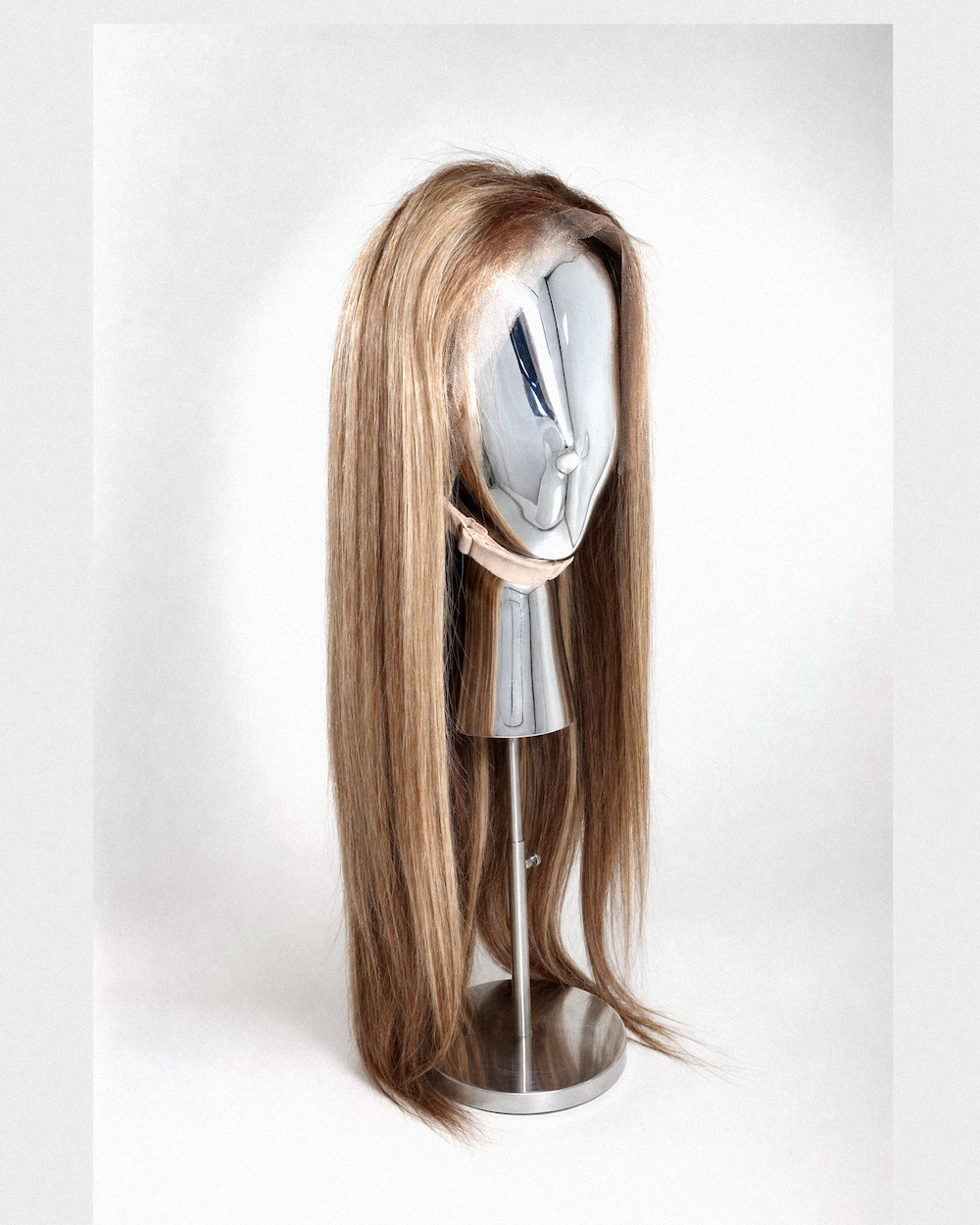
different formats need slightly different handling — mostly around the lace. the golden rule with any lace piece: press, don't rub. pair this with your texture and color routines above.
weft bundlesfor sew-ins
bundles are wefts of hair with no lace, usually sewn or linked in. the easiest format to care for — there's no delicate base to protect, just the hair itself.
- wash and condition in the direction the hair falls; don't bunch it up.
- follow your texture's routine for drying and detangling.
- when stored between installs, keep bundles flat and dust-free.
closures & frontalslace pieces
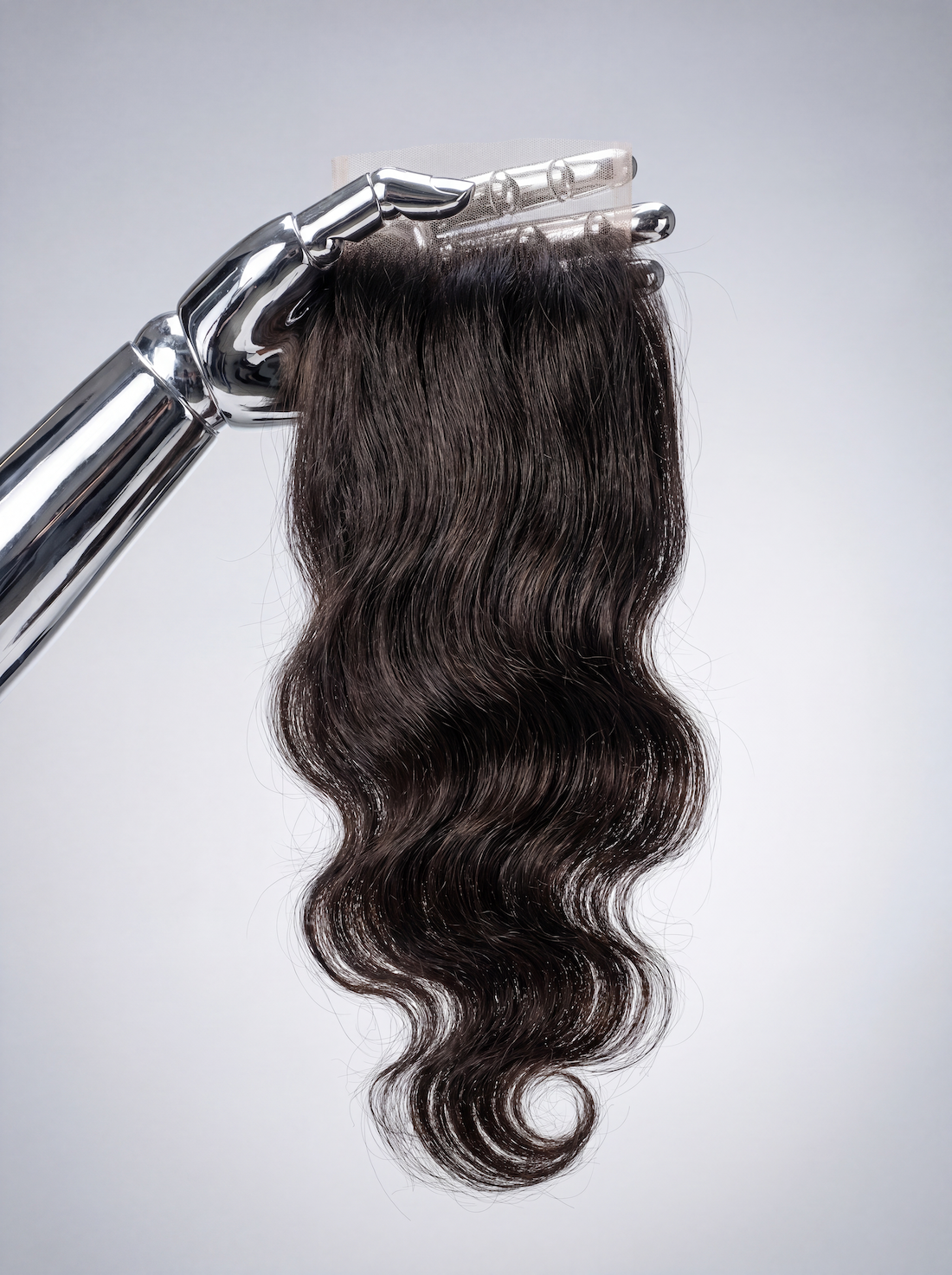
a closure covers the part area; a frontal covers the hairline ear to ear. both sit on hd lace, which is thin and sheer so it reads like scalp — and thin lace needs a gentle hand.
- press the lace when washing — do not rub or scrub. rubbing frays the lace and loosens the knots.
- keep conditioner on the hair, not the lace base.
- air dry on a wig stand or flat base so the lace keeps its shape.
- if you tint or bleach knots, keep bleach on them only about a minute — small knots lift fast.
closure & frontal wigsfull units
a full wig on a cap, built at 200% density for fullness. it can be worn glueless with the combs and adjustable band, or glued along the lace by someone who knows proper wig installation.
- wash about weekly or every two weeks with sulfate-free shampoo; deep condition every wash.
- detangle in sections, ends first.
- press the lace gently when washing — never scrub it.
- air dry on a wig stand, and store it on a wig head so the cap and style hold their shape.
signature jelly totestorage
made to store and carry your wigs, bundles, closures, and frontals — and cute enough to take to the beach or out with you. it keeps your hair dust-free, visible, and in one place between installs.
- wipe clean with a damp cloth.
- if it gets sandy or sticky, rinse and wipe dry.
- keep it away from direct heat so the jelly holds its shape.

removing a lace front the right way protects two things: your unit, so you can reuse it, and your own edges and skin. never, ever peel a glued lace off dry. patience here is what keeps your hairline yours.
glueless units — the easy caseno adhesive
if you wore your wig with the combs and adjustable band only, removal is simple.
- loosen the adjustable band at the back.
- gently unclip the combs, working from back to front.
- ease the cap up and off from the nape forward — don't tug at the lace.
- set it on a wig stand and follow your wash and storage routine.
removing a glued lace frontstep by step
if your lace was glued or bonded along the hairline, you'll need a proper lace adhesive remover. take your time — this should never hurt.
- work over a clean area with your remover, a soft cloth, a cotton pad, and a wide-tooth comb nearby.
- apply a lace adhesive remover (oil-based or alcohol-based) generously along the glued perimeter. don't rush to the next step.
- let it sit — give the remover a few minutes to fully break down the bond. this is the part people skip, and it's the part that protects your skin.
- gently lift the lace from the edges with your fingertips as the glue loosens. if it resists, stop and apply more remover. resistance means it's not ready — never force it.
- once the lace is free all the way around, ease the unit off from the front, then unclip combs and loosen the band.
- wash any leftover residue off your skin with a gentle cleanser, then moisturize your hairline.
cleaning glue off the lacesave your unit
dried glue left on the lace shortens its life and ruins the next install. clean it while it's fresh.
- lay the unit lace-side up on a wig stand or flat surface.
- apply a little adhesive remover or 70% alcohol along the glue line and let it soften.
- gently peel or roll the loosened glue away with your fingers or a soft cloth. do not scrub the lace — pressing and rolling lifts glue without fraying.
- repeat on stubborn spots rather than forcing them in one pass.
- wash the lace area gently with sulfate-free shampoo, pressing not rubbing, then rinse.
caring for the lace afterwardfor reuse
hd lace is thin and sheer on purpose — that's what makes it disappear into your skin. treat it like the delicate part it is, and your unit stays reusable for a long time.
- always press, never rub, when washing the lace.
- let it air dry fully on a wig stand before storing — damp lace folded away can mildew.
- store the unit on a wig head so the lace and cap keep their shape.
- keep all glue fully removed between installs; old residue weakens the lace.
still unsure about something? check the product's own page or the FAQ — every chroma product lists the exact care it needs.